Finding Clarity...


Depression and Anxiety: Understanding Symptoms, Disorders, and Treatment Options
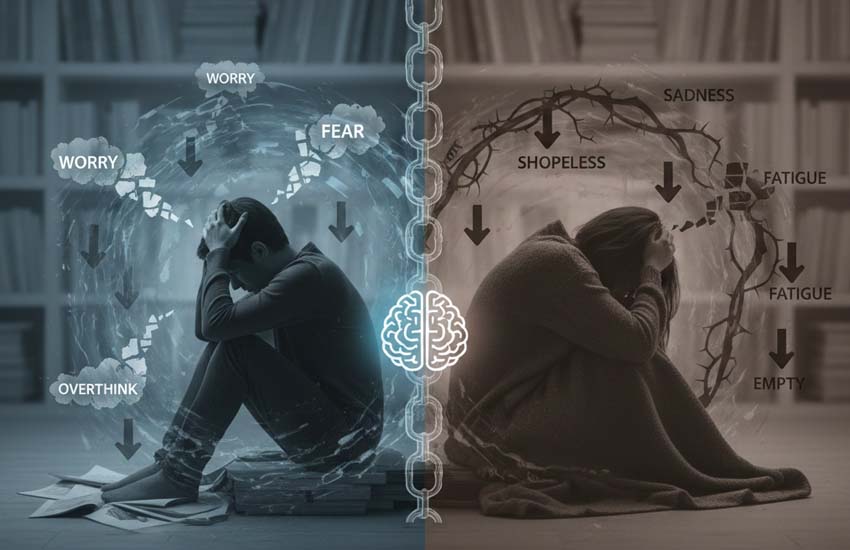
Depression and Anxiety: Understanding Symptoms, Disorders, and Treatment Options
(Educational guide · Not medical advice)
Why So Many People Search for Depression and Anxiety Together
Depression and anxiety are among the most common mental health conditions worldwide.
Many people experience depression and anxiety at the same time, which is why searches like:
- depression and anxiety
- anxiety disorder depression
- depression with anxiety
are extremely common. Understanding how these conditions overlap can help reduce confusion and fear.
What Is Depression and Anxiety?
Depression
Depression is a mental health condition that can affect:
- Mood
- Energy
- Motivation
- Sleep
- Concentration
- Sense of meaning
Anxiety
Anxiety involves persistent worry, fear, or nervous system alertness that can affect:
- Thoughts
- Emotions
- Physical sensations
- Daily functioning
When they occur together, it’s often referred to as depression and anxiety disorder or anxiety disorder and depression.
Anxiety Disorders and Depression: How They Overlap
Anxiety disorders and depression frequently occur together.
This overlap happens because both conditions involve:
- Stress regulation systems
- Emotional processing
- Nervous system responses
Someone with depression with anxiety may feel:
- Low energy and motivation
- Constant worry or fear
- Emotional heaviness mixed with restlessness
This combination can feel especially exhausting.
Symptoms of Depression and Anxiety
People often search for:
- symptoms depression anxiety
- anxiety disorders and depression symptoms
Because the symptoms can overlap.
Common Anxiety and Depression Symptoms Include:
- Persistent worry or fear
- Ongoing sadness or emptiness
- Fatigue or low energy
- Difficulty concentrating
- Sleep disturbances
- Irritability
- Feeling overwhelmed
- Physical tension or restlessness
Symptoms vary in intensity and duration for each person.
Anxiety Disorder Depression: Is It One Condition or Two?
Clinically, anxiety disorder and depression are separate conditions, but they often co-exist.
Some people may:
- Develop anxiety first, then depression
- Experience depression first, then anxiety
- Experience both simultaneously
This is why treatment often addresses both conditions together rather than separately.
Why Understanding the Range of Anxiety and Depression Matters
One of the most overlooked aspects of anxiety and depression is that they exist on a spectrum.
Clarity Before Treatment Decisions
Before considering treatment for anxiety disorder and depression, many people benefit from understanding:
- Whether anxiety or depression is more dominant
- How intense symptoms feel overall
- How symptoms affect thinking, emotions, and daily life
- Whether symptoms are mild, moderate, or high
This clarity often makes conversations with healthcare professionals more focused and productive.
A structured anxiety screening tool can help identify:
- Anxiety levels across a clear range
- Patterns that repeat over time
- Areas where support may be helpful
👉 Start Your Free Anxiety Screening
(Private · Educational · Free to start)
Treatment for Anxiety Disorder and Depression (Educational Overview)
Searches like treatment for anxiety disorder and depression are extremely common.
Treatment approaches vary depending on:
- Symptom severity
- Duration
- Personal history
- Professional evaluation
Below is a general educational overview.
Anxiety Depression Treatment Options
Psychological Support
Common approaches include:
- Therapy or counseling
- Cognitive and behavioral approaches
- Supportive conversations
These approaches focus on:
- Understanding thought patterns
- Emotional regulation
- Stress response awareness
Medication (When Appropriate)
Some people explore medication as part of anxiety depression treatment, under professional guidance.
Medication may:
- Reduce symptom intensity
- Support emotional stability
- Help manage physical symptoms
Medication decisions must always be made with a licensed healthcare provider.
Lifestyle and Self-Care Support
Treating anxiety depression often includes lifestyle support such as:
- Sleep regulation
- Stress reduction
- Physical activity
- Routine and structure
- Limiting overstimulation
These strategies support overall mental health but are not replacements for professional care.
Understanding Symptoms Creates Direction
When anxiety and depression feel unclear, people often feel stuck.
Clarity doesn’t replace treatment — but it creates direction.
Understanding:
- The range of anxiety symptoms
- How anxiety interacts with depression
- Whether symptoms are mild, moderate, or high
can help reduce uncertainty and support informed decisions.
Many people find that understanding their anxiety patterns first helps them:
- Feel less overwhelmed
- Stop self-blaming
- Ask better questions
- Choose support more confidently
A Thoughtful Next Step Toward Clarity
If you’re reading about depression and anxiety, it likely means: “I want to understand what I’m experiencing.”
A structured anxiety screening tool can help you:
- Understand where your anxiety falls on the spectrum
- Recognize patterns affecting daily life
- Reduce fear through explanation
- Gain clarity before next steps
👉 Start Your Free Anxiety Screening
(Private · Educational · Free to start)
Treating Anxiety and Depression Together
Because anxiety and depression are often connected, treating them together can be more effective than addressing them separately.
Integrated approaches often focus on:
- Understanding emotional patterns
- Reducing nervous system overload
- Increasing awareness and clarity
- Building sustainable coping strategies
Why Understanding Symptoms Comes First
Before choosing any treatment, many people benefit from understanding:
- Whether anxiety, depression, or both are present
- How severe symptoms feel
- How symptoms affect daily life
- What triggers emotional changes
Clarity can reduce fear and help guide informed decisions.
A Gentle Next Step: Understanding Anxiety Patterns
If you’re researching depression and anxiety, it often means: “I want to understand what I’m experiencing.”
A structured anxiety screening tool can help you:
- Identify anxiety patterns
- Understand symptom intensity
- Reduce uncertainty
- Support conversations with professionals
(Private · Educational · Free to start)
Important Health Disclaimer
This article is for educational purposes only.
It does not provide medical advice, diagnosis, or treatment.
Mental health conditions should always be evaluated by qualified healthcare professionals.