Finding Clarity...


Anxiety Deep Breathing Exercises: Simple Techniques to Calm the Nervous System
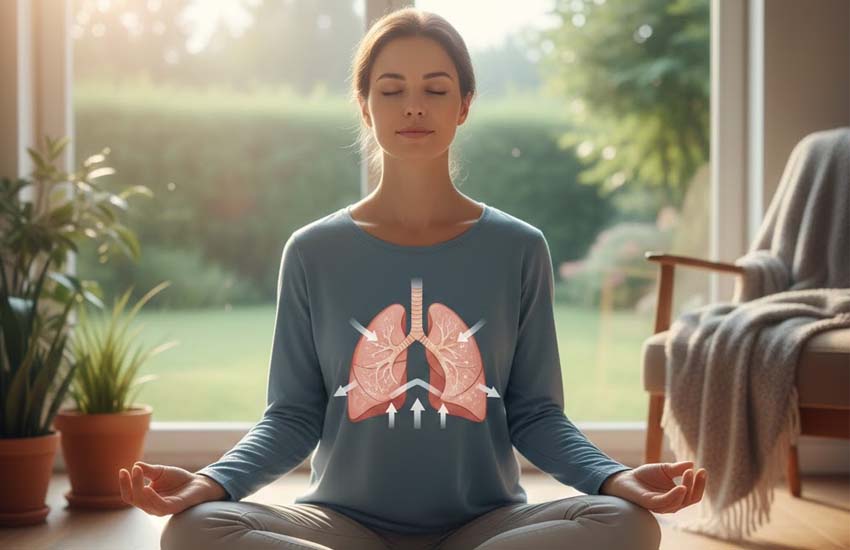
Anxiety Deep Breathing Exercises: Simple Techniques to Calm the Nervous System
(Educational content · Not medical advice)
Why Breathing Matters When You Feel Anxious
When anxiety rises, the body often shifts into a state of alertness. Breathing becomes shallow, fast, or irregular, which can intensify anxiety symptoms.
This is why searches for:
- anxiety relaxation exercises
- breathing exercises for anxiety disorder
- anxiety breathing technique
Breathing is one of the few body processes you can consciously influence — and it directly affects how anxious you feel.
How Anxiety Affects Breathing
During anxiety, the nervous system prepares the body for danger, even when no real threat is present. This can cause:
- Rapid or shallow breathing
- Chest tightness
- Dizziness or lightheadedness
- A feeling of not getting enough air
Over time, this breathing pattern can keep anxiety active.
Learning intentional breathing techniques helps send a signal of safety back to the nervous system.
Anxiety Relaxation Exercises: Why Breathing Helps
Anxiety relaxation exercises often focus on breathing because slow, steady breaths can:
- Reduce heart rate
- Relax muscle tension
- Improve oxygen balance
- Calm the stress response
Breathing does not eliminate anxious thoughts instantly, but it helps reduce the physical intensity of anxiety so the mind can settle.
Simple Anxiety Breathing Technique (Foundational)
1. Slow Belly Breathing
This is one of the most widely used breathing exercises for anxiety disorder.
How to practice:
- Sit or lie down comfortably
- Place one hand on your chest, one on your belly
- Inhale slowly through your nose, allowing your belly to rise
- Exhale slowly through your mouth
- Keep the chest as still as possible
This technique encourages deeper, calmer breathing.
Anxiety Deep Breathing Exercises You Can Practice Anywhere
2. Extended Exhale Breathing
Anxiety often shortens the exhale. Extending it helps calm the body.
Example:
- Inhale for 4 seconds
- Exhale for 6 seconds
Repeat for several minutes.
3. Box Breathing (Structured Calm)
This structured anxiety breathing technique helps regain control during stress.
Steps:
- Inhale for 4 seconds
- Hold for 4 seconds
- Exhale for 4 seconds
- Hold for 4 seconds
Repeat slowly.
CLARITY MOMENT
Breathing exercises help manage anxiety symptoms — but anxiety itself exists on a range.
Some people experience:
- Occasional anxious tension
- Frequent anxiety episodes
- Ongoing daily anxiety
Understanding where your anxiety falls on this range can help you choose the right support.
A structured Anxiety Screening Tool can help identify:
- Anxiety severity
- Patterns and triggers
- How anxiety affects daily life
Start Your Free Anxiety Screening
(Private · Educational · Free to start)
Breathing Exercises for Anxiety Disorder: What to Expect
Breathing exercises are not a cure, but with regular practice they may:
- Reduce the intensity of anxiety
- Shorten anxiety episodes
- Improve emotional regulation
- Increase awareness of body signals
Consistency matters more than perfection.
When Breathing Exercises Feel Difficult
Some people feel more anxious when they first try deep breathing. This is common.
If this happens:
- Start with very short sessions
- Avoid forcing deep breaths
- Focus on gentle slowing instead of depth
Breathing exercises should feel supportive, not stressful.
Combining Breathing With Other Anxiety Relaxation Exercises
Breathing often works best alongside other approaches, such as:
- Gentle movement
- Mindfulness practices
- Therapy or counseling
- Lifestyle adjustments
These approaches support the nervous system together.
Understanding Anxiety Beyond Techniques
Breathing exercises help manage symptoms, but they don’t always explain:
- Why anxiety appears
- Why it fluctuates
- Why certain situations trigger it
Clarity helps people use tools more effectively.
FINAL CLARITY STEP
If you’re practicing anxiety relaxation exercises and breathing techniques, it may help to first understand your overall anxiety pattern.
A structured Anxiety Screening Tool can help you:
- Understand anxiety intensity
- Recognize recurring patterns
- Reduce uncertainty
- Make informed next steps
(Private · Educational · Free to start)
Important Disclaimer
This article is for educational purposes only.
It does not provide medical advice, diagnosis, or treatment.
Breathing exercises do not replace professional care when needed.
Why Understanding Comes First
Anxiety is real.
Seeking information is valid.
Understanding creates choice.