Finding Clarity...


Anxiety Medication: A Clear, Educational Guide to Common Options and What They Mean
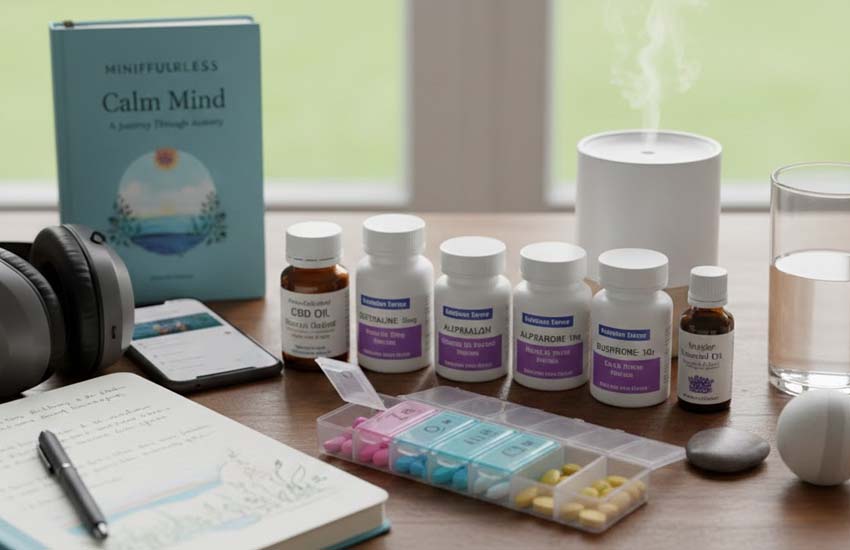
Anxiety Medication: A Clear, Educational Guide to Common Options and What They Mean
(For educational purposes only • Not medical advice)
Millions of people search for anxiety medication every month — often during moments of distress, uncertainty, or exhaustion.
If you’re searching for anxiety medication, you may be asking:
- What medications are used for anxiety?
- How do anxiety meds work?
- Are there different types?
- How do I know if medication is even the right step?
This guide is designed to educate and clarify, not diagnose or recommend treatment.
What Anxiety Medication Means (And What It Does Not)
Anxiety medication refers to prescription medications that healthcare professionals may use to help manage anxiety symptoms.
Important distinctions:
- Anxiety medication does not cure anxiety
- It may help reduce symptom intensity
- It does not explain why anxiety occurs
- Decisions always require professional evaluation
Medication is often one part of a broader mental health approach.
Common Types of Anxiety Medications (Educational Overview)
Healthcare professionals may prescribe different categories of medication depending on symptoms, medical history, and individual response.
Below is a neutral, educational overview of commonly prescribed anxiety medications.
Antidepressants Commonly Prescribed for Anxiety
Certain antidepressants are frequently used to manage anxiety disorders, even when depression is not present.
Common examples include:
- Sertraline
- Escitalopram
- Fluoxetine
- Paroxetine
- Venlafaxine
General characteristics:
- Taken daily
- Effects develop gradually over weeks
- Often used for longer-term anxiety management
These medications work by influencing brain chemicals involved in mood and stress regulation.
Short-Term Anti-Anxiety Medications
Some medications are prescribed for short-term or acute anxiety symptoms, particularly during intense episodes.
Common examples include:
- Alprazolam
- Lorazepam
- Clonazepam
General characteristics:
- Fast-acting
- May reduce intense physical symptoms
- Typically prescribed with caution
- Not intended for long-term daily use
Healthcare providers closely monitor these medications due to dependency concerns.
Medications Used for Situational or Performance Anxiety
Certain medications may be used to help manage physical symptoms of anxiety in specific situations.
Common example:
- Propranolol
General characteristics:
- Affects physical symptoms such as heart rate or trembling
- Does not treat emotional anxiety directly
- Often used situationally
Do Anxiety Medications Work the Same for Everyone?
No.
Response to anxiety medication varies widely. Some people experience:
- Noticeable symptom relief
- Partial improvement
- Side effects without benefit
Others find that medication reduces symptoms but does not fully address:
- Overthinking
- Fear patterns
- Emotional tension
- Trigger awareness
This is why understanding anxiety patterns remains important.
Common Side Effects People Ask About
All medications can have side effects, which vary by individual.
People commonly search for information about:
- Fatigue or drowsiness
- Digestive discomfort (nausea, etc.)
- Emotional blunting
- Sleep changes
- Dependency concerns (especially with short-term meds)
A healthcare professional is best equipped to discuss risks and benefits.
Medication vs Understanding Anxiety Patterns
Medication may help reduce symptoms, but it often does not explain:
- Why anxiety appears in certain situations
- Why symptoms fluctuate
- How anxiety affects thinking and behavior
- What keeps anxiety active
Many people find value in first understanding their anxiety patterns, whether or not medication is part of their journey.
Why Self-Understanding Matters Before or Alongside Medication
Clarity helps you:
- Communicate better with healthcare providers
- Recognize triggers and patterns
- Reduce fear around symptoms
- Make informed decisions
Understanding does not replace treatment — it supports it.
A Gentle Next Step: Understanding Your Anxiety First
If you’re searching for anxiety medication, it often means: “I want relief, and I want answers.”
Before making decisions, a structured anxiety screening tool can help you:
- Identify anxiety patterns
- Understand severity levels
- Reduce uncertainty
- Prepare for informed conversations
(Private • Educational • Free to start)
Important Medical Disclaimer
This article is for educational purposes only.
It does not provide medical advice, diagnosis, or treatment.
Medication decisions should always be made with a licensed healthcare professional.
Related Anxiety Medication Searches This Article Covers
- anxiety medication
- medication for anxiety
- anxiety meds
- sertraline for anxiety
- escitalopram anxiety
- alprazolam anxiety
- propranolol anxiety
(This improves Google topical relevance.)
Why Understanding Comes First
Anxiety is real.
Seeking information is valid.
Understanding creates choice.